


All Praise and Thanks to God
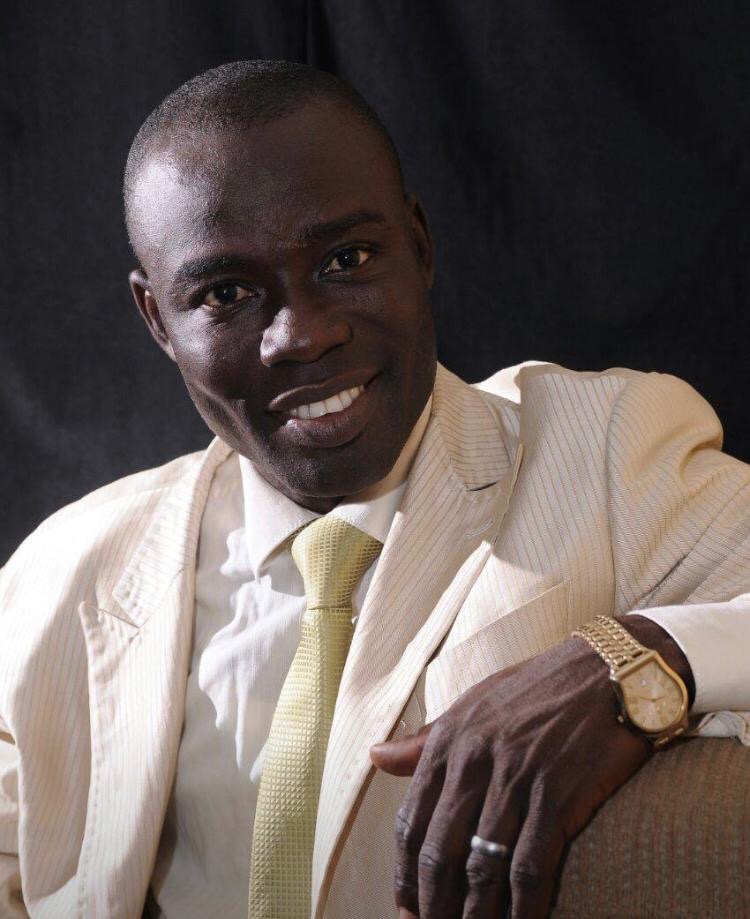
Daily Scripture Threshing for Today, Wednesday, November 25, 2026
Today's Text: Psalm 111:1-4
Key Verse: Psalm 111:1 (KJV) — "Praise ye the LORD. I will praise the LORD with my whole heart, in the assembly of the upright, and in the congregation."

On this final preparation day, or eve of Annual Thanksgiving celebration, Psalm 111, an anonymous post-exilic hymn of praise, beautifully structured as a 22-line Hebrew alphabetic acrostic calls us to remembrance and worship. Closely paired with Psalm 112, it celebrates God's mighty works and enduring character, while its companion psalm portrays the life of the righteous. Beginning with Hallelujah—a call to communal praise—the psalmist declares, “Praise ye the LORD. I will praise the LORD, or I will give thanks unto the Lord with my whole heart, in the assembly of the upright, and in the congregation.” This is wholehearted, intentional, communal worship rooted in Israel’s enduring memories of God’s mighty acts of creation, deliverance, covenant faithfulness, and provision. The psalm invites us not merely to remember God's works but to seek, ponder, and delight in them, for His deeds are honorable and glorious, His righteousness endures forever, and His character remains gracious and full of compassion. This Psalm also forms the inspiration behind the great hymn of the Christian Church, "Now Thank We All Our God," written by Martin Rinkart. (Pause and Sing it).
The hymn "All Praise and Thanks to God" carries this same message, and its story makes it even stronger. It is the closing stanza of "Now Thank We All Our God," written by Martin Rinkart, a German Lutheran pastor born in 1586 in Eilenburg, in Saxony. In 1617 he returned home to serve as pastor there, and the next year the Thirty Years War broke out. Refugees crowded into the walled city, famine followed, and in 1637 plague struck. One pastor fled, the other two died, and Rinkart was left alone as the only minister in the city. He buried nearly 4,480 people that year, sometimes 40 to 50 in a day, including his own beloved wife, Christina. In all, about 8,000 people died in Eilenburg that year. Yet in that dark season he wrote this hymn of thanksgiving, first as a short grace before meals, a table prayer for his family.
Look at every part of the hymn, and you will see Psalm 111 in song. The first stanza says, "Now thank we all our God with heart and hands and voices, who wondrous things has done, in whom this world rejoices; who, from our mothers' arms, has blest us on our way with countless gifts of love, and still is ours today." That is praise with the whole heart, with hands and voices, for wonderful works that must be remembered. The second stanza prays, "Oh, may this bounteous God through all our life be near us, with ever joyful hearts and blessed peace to cheer us, and keep us all in grace, and guide us when perplexed, and free us from all harm in this world and the next." That is the God who is gracious and full of compassion, keeping us, guiding us, and freeing us. The third stanza, "All Praise and Thanks to God," is a paraphrase of the Gloria Patri: "All praise and thanks to God the Father now be given; the Son and Spirit blest, who reign in highest heaven; the one eternal God, whom earth and heaven adore; for thus it was, is now, and shall be evermore." The praise belongs to the Father, the Son, and the Spirit, the one eternal God, whose righteousness endures forever.
Rinkart lived to see better days. His hymn was sung at the signing of the peace treaty that ended the Thirty Years War in 1648, and he died the next year, at the age of 63, having survived war, famine, and plague. What does that teach us, on the eve of our annual Thanksgiving celebration? It teaches us that praise is not only for good days. It is an altar we raise in hard days too. When we cannot explain what God is doing, we can still remember what He has done. When our hearts are heavy, we can still thank Him with heart, hands, and voices. Let your home become a place where God's wonderful works are remembered, where His grace and compassion are named aloud, and where the next generation learns to say, with Rinkart, "All praise and thanks to God."
Action Steps: Gather your household, or spend a quiet moment alone, and read Psalm 111:1-4 aloud. Name one wonderful work of God you have seen this year, and thank Him for it by name. Sing or read the hymn "Now Thank We All Our God," and let its final stanza, "All Praise and Thanks to God," become your prayer for tomorrow. Place a simple marker of remembrance in your home, and tell those coming behind you what God has done.
Quote for the Day: "Praise that is born in the darkest hour is the loudest proof of a life that understands that God is still good, and worthy of thanks regardless of what life brings." — Simon Olatunji (#quotablequotes)
Let Us Pray: Heavenly Father, thank You for Your great works, for Your honorable and glorious work, and for Your righteousness that endures forever. Thank You for making Your wonderful works to be remembered, and for being gracious and full of compassion to us. Like Martin Rinkart, teach us to praise You with our whole heart, in good days and in hard days. Let our homes become altars of praise, and let our children hear us say, "All praise and thanks to God." In Jesus' most glorious name. Amen.
__________________
Thank you for threshing the Word with me today. For further study, please read: Psalm 111:1-4; Psalm 100; Psalm 118:19-21; Psalm 103:1-5; Colossians 3:15-17; 1 Thessalonians 5:16-18; Hebrews 13:15.
With all my love and prayers,
Simon Wale Olatunji, Ph.D.
Your Darling Bishop (DaBishop)
Send | Share | Subscribe | Support


Comments