


Dare to Be a Nahum
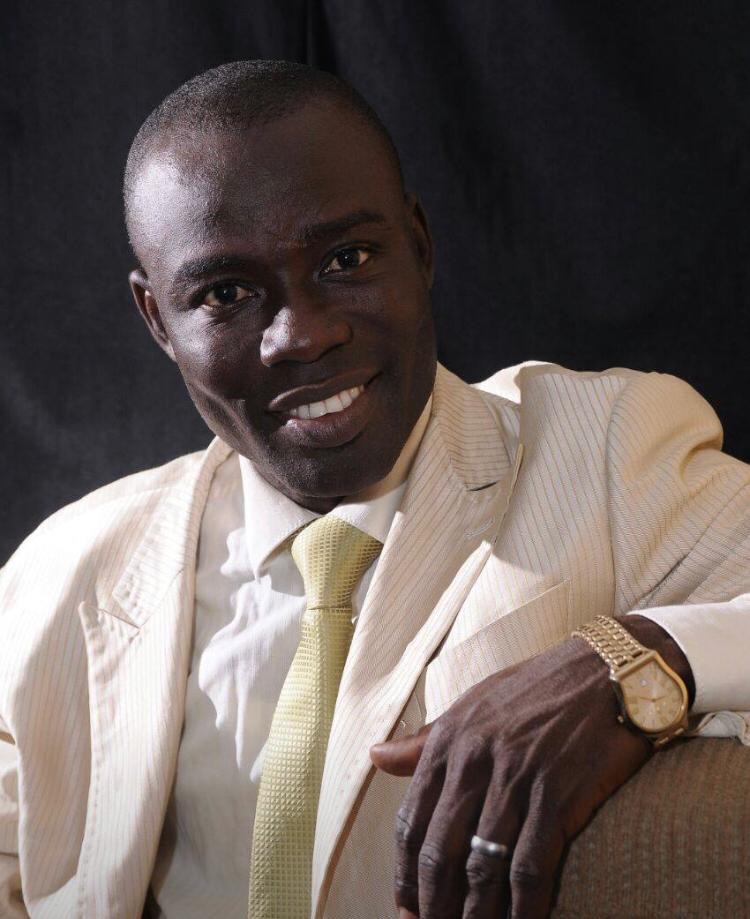
Daily Scripture Threshing for Today, Thursday, September 17, 2026
Today's Text: Nahum 1:1–8; 2:1–13
Key Verse: Nahum 2:4 (KJV) — "The chariots shall rage in the streets, they shall justle one against another in the broad ways: they shall seem like torches, they shall run like the lightnings."

His name means "Comforter," yet his burden was Nineveh — the blood-soaked capital of the cruelest empire the ancient world had known, which is modern day Mosul, in northern Iraq. Nahum the Elkoshite enters history with no pedigree, no court appointment, no miracle list, only a single line of introduction: "The burden of Nineveh. The book of the vision of Nahum the Elkoshite" (Nahum 1:1). He had no platform, no army, no political clout — only a walk with God so close that heaven pulled back the curtain of time and showed him what no intelligence report had yet disclosed: the fall of an empire before a single siege ramp was raised against its walls. While the world measured security by the strength of thrones, Nahum measured history by the sovereignty of the One who sits above every throne.
Dare to be a Nahum: dare to let your walk with God be so intimate that you see ahead of the headlines, dare to carry heaven's burden when the world sees only earthly power, and dare to believe that one obscure, faithful voice outranks every empire on earth. He saw God as few dared to see Him — both terrible and tender in one breath. "The LORD is slow to anger, and great in power, and will not at all acquit the wicked" (Nahum 1:3), yet in the very same oracle: "The LORD is good, a strong hold in the day of trouble; and he knoweth them that trust in him" (Nahum 1:7).
Nahum refused to split God's character. He did not preach a God of mercy without justice, nor a God of wrath without compassion — he held both together because that is who God is. He had watched Nineveh relapse: roughly a century and a half earlier, Jonah's preaching had brought the great city to repentance, but the revival had not lasted. The Assyrians returned to their cruelty, exporting terror as policy. Yesterday's repentance had become today's rebellion. Dare to be a Nahum: dare to hold God's holiness and goodness together without compromise, dare to warn a generation that has forgotten its former mercy, and dare to trust that the same God who judges oppressors is the refuge of everyone who leans on Him.
Then came the vision that still staggers the imagination — which in its first fulfillment, the chariots were the besieging forces that flooded Nineveh's plazas in 612 BC — gleaming metal flashing like fire, wheels grinding through the broad ways as the city collapsed under divine judgment. Yet the language blazes far beyond its first hour. Down through the centuries, readers have paused at these words and caught their breath — for what Nahum described sounds unmistakably like our modern cars jostling on broad highways, vehicles raging past one another, darting like torches, running like lightning. It takes a man so close to God to see, in Spirit, such clear prophetic imagery, what later generations would recognize on every modern road.
Dare to be a Nahum: dare to believe that intimacy with God opens eyes to tomorrow, dare to trust that the Spirit can show your generation what is coming, and dare to carry prophetic vision without shrinking it to the size of your own moment. His courage was not the courage of armies but of conviction. He pronounced the fall of Assyria while Nineveh still sat unchallenged on its throne. He did not soften the oracle to preserve his safety, nor wait for a more convenient moment. He simply said what God showed him, and he buried inside every warning a promise of hope: "Behold upon the mountains the feet of him that bringeth good tidings, that publisheth peace!" (Nahum 1:15).
Before us today is the example of a man with an uncommon godly mark of spiritual clarity — he saw what God showed, he said what God said, and he anchored every threat in the unchanging goodness of the Lord. Dare to be a Nahum: fare to walk with God, dare to speak truth to power without flinching, dare to publish peace even from the edge of judgment, and dare to let your clarity cost you what it must. God is still searching for Nahums — men and women who will not be seduced by powerful systems, who will weep over cruelty without excusing it, and who walk so close to God that He shows them what is coming.
Action Steps: Identify one place where you have tolerated cruelty or injustice because the system behind it seemed too powerful to challenge. Repent of that silence today. Draw near to God until He lets you see your generation the way He sees it — both its coming judgment and its buried hope. Then speak one clear, truthful word this week — a warning to the oppressor, a comfort to the oppressed — without trimming it to fit the mood of the room.
Quote for the Day: "The one who walks so close to God that heaven shows the future cannot be silenced by the present; iron horses may jostle on the highway, but the seer who knows the Lord as refuge stands unshaken." — (Simon Olatunji #quotablequotes)
Let Us Pray: Heavenly Father, like Nahum, draw me so close that I see what You see — the empires You will bring low and the refuge You are to everyone who trusts You. Forgive my silence before cruelty and my fear of powerful systems. Teach me to hold Your justice and mercy together without compromise. Let me publish peace even from the edge of judgment, and let my walk with You be so close that I see ahead of my generation — in Jesus' most glorious name. Amen.
___________________
Thank you for threshing the Word with me today. For further study on this topic, please read: Jonah 3:1–10; Nahum 1:1–8; Nahum 2:3–4; Nahum 3:1–7; Isaiah 10:5–19; Zephaniah 2:13–15; Romans 12:19.
With all my love and prayers,
Simon Wale Olatunji, Ph.D.
Your Darling Bishop (DaBishop)
Send | Share | Subscribe | Support


Comments