


The Anatomy of a Thankful Heart Part 1: Eyes that See
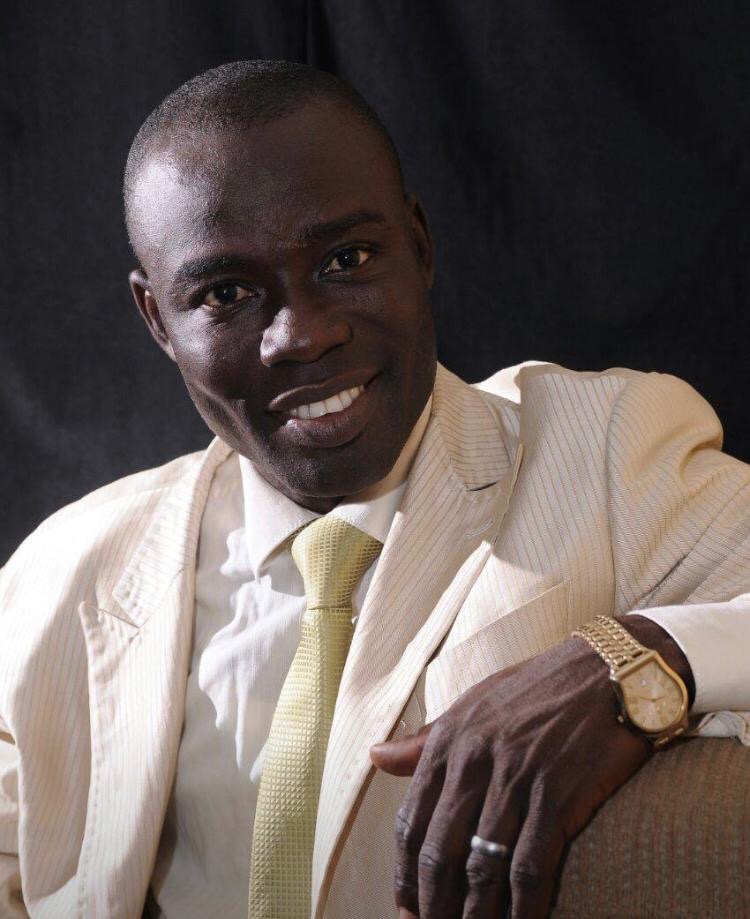
Daily Scripture Threshing for Today, Sunday, November 15, 2026
Today's Text: Luke 17:11–19
Key Verse: Luke 17:15 (KJV) — "And one of them, when he saw that he was healed, turned back, and with a loud voice glorified God,"

As we draw closer to celebrating annual Thanksgiving, let us examine not only the blessings in our hands, but the condition of our hearts. A thankful heart begins with eyes that see. Our Dare to Be series hsd broughttous the story of ten men with leprosy who stood at a distance and cried to Jesus for mercy. We remember how He (Jesus) instructed them to show themselves to the priests, and as they went, they were cleansed. All ten received healing, but only one returned to give thanks. This man, a Samaritan, saw that he was healed, turned back, glorified God loudly, and fell at Jesus' feet. Jesus asked, "Were there not ten cleansed? but where are the nine?" Scripture does not tell us why the others continued without returning. However, their absence confronts us with a searching question: have we received God's goodness without stopping to recognize Him? May be we fail or refuse to see. The only grateful leper returned when he saw that he was healed. Seeing or recognizing God as the source of our blessing is the huge difference between enjoying the blessing and honoring the Blesser. Open your eyes and see!
The first lesson in the anatomy of a thankful heart series is spiritual recognition. The Samaritan did not merely notice a change in his skin; his response directed attention to the One who had shown him mercy. His healing became a reason to return to Jesus, not simply permission to resume his life. Here lies our challenge: we can become so occupied with what God has done that we neglect fellowship with God Himself. We celebrate the open door but forget the hand that opened it. We enjoy another morning without pausing to acknowledge its Giver. Spiritual sight asks more than, "What have I received?" It asks, "How will I honor the One who has been merciful to me?" Thanksgiving begins when we stop treating mercy as something owed to us. Look beyond the gift. Recognize the Blesser!
Thankful eyes also require a disciplined mind. The words "when he saw" invite us to consider what receives our attention. This passage does not reveal the thoughts of the other nine, so we must not invent their motives. Instead, let their absence examine our own habits. Do we carefully count disappointments while scarcely noticing daily mercies? Do yesterday's answers disappear beneath today's requests? A grateful mind does not deny suffering or pretend every circumstance is pleasant. It makes room to remember goodness alongside the pain. Pause long enough to name what you have received: help in a difficult hour, strength for another responsibility, forgiveness after failure, or someone's patient care. Let remembrance interrupt entitlement. What we receive should not become so familiar that we cease to recognize its value. Train your attention to notice mercy!
Finally, thankful eyes lead us into a relational response. The Samaritan turned back, lifted his voice, and bowed at Jesus' feet. His gratitude involved his direction, his speech, and his posture. Appreciation became thanksgiving when he expressed it to the One who had helped him. This is more than a polite habit; it is a response involving the whole person. We, too, must move beyond assuming that our gratitude is understood. Thank God specifically in prayer. Speak of His goodness without making yourself the center of the story. Thank the people whose faithful service you have quietly enjoyed. Name their kindness rather than offering only a hurried acknowledgment. We do not purchase another blessing by giving thanks; we honor the relationship rather than merely enjoying the benefit. Do not let your requests be vocal while your gratitude remains silent. See the mercy, recognize the Giver, and return with thanksgiving!
Action Steps: Pause today and write down three specific mercies you have overlooked. Thank God aloud for each one, naming what it reveals about His goodness. Identify someone whose kindness you have taken for granted and express your appreciation directly. Before making your next request in prayer, remember an answer you have already received. Ask God for eyes that recognize His mercy in ordinary moments. Do not merely count your blessings; let each blessing turn your heart toward the Blesser!
Quote for the Day: "A thankful heart has eyes that see beyond the gift, a memory that treasures mercy, and a voice that returns honor to the Giver." — Simon Olatunji (#quotablequotes)
Let Us Pray: Heavenly Father, open my eyes to the mercies I have overlooked. Forgive me for enjoying Your gifts while neglecting to thank You. Teach me to remember Your goodness, resist entitlement, and express my gratitude freely. Like the Samaritan who returned, let my steps, my voice, and my heart honor Jesus. Make thanksgiving a daily posture that shapes my thoughts and relationships. In Jesus' most glorious name. Amen.
______________
Thank you for threshing the Word with me today. For further study, please read: Luke 17:11–19; Psalm 103:1–5; Psalm 107:8–9; James 1:17; Colossians 3:15–17; 1 Thessalonians 5:18.
With all my love and prayers,
Simon Wale Olatunji, Ph.D.
Your Darling Bishop (DaBishop)
Send | Share | Subscribe | Support


Comments